
Cheapest SR-22 Insurance for Delivery Drivers — Missouri
Free to compare
The SR-22 Filing Requirement Most Delivery Drivers Discover Too Late
You received a DUI conviction last month and continued driving for DoorDash, Uber Eats, or Amazon Flex without realizing your personal auto policy no longer covers you while making deliveries with an SR-22 requirement. Your carrier just sent a cancellation notice citing commercial use under a high-risk filing — exactly the scenario most delivery drivers face when SR-22 requirements collide with gig work realities.
Missouri requires SR-22 certificate filing for 2 years following DWI convictions, uninsured accidents, or repeat traffic violations under RSMo Chapter 302. The Department of Revenue will not reinstate your license until an authorized insurer files SR-22 proof electronically, and that filing must remain active continuously for the full 2-year period. Missing even one day triggers suspension and restarts your clock.
“Standard personal SR-22 excludes delivery use the moment you accept a gig request — your filing remains active but coverage does not apply.”

See What an SR-22 Really Costs in Missouri
Get My Missouri SR-22 Auto Insurance Quote$110–$185/mo
Missouri Hybrid SR-22 Premium
Hybrid policies covering personal use plus food/package delivery with SR-22 filing cost delivery drivers $110–$185 monthly in Missouri, compared to $220–$340 for full commercial SR-22 policies. The hybrid tier exists specifically for gig drivers who do not own commercial vehicles.
Rate estimates from Progressive, National General, and Bristol West Missouri filings
Why Personal SR-22 Policies Exclude Your Delivery Work
Standard personal auto SR-22 policies contain explicit exclusions for commercial use, delivery activity, and transportation network driving. Your personal policy defines permissible use as commuting, errands, and pleasure — the moment you accept a delivery request, you operate outside coverage even if the SR-22 certificate remains filed. Carriers flag commercial mileage through telematics apps, claims disclosures, and cross-reference with gig platform partnerships.
The structural problem: Missouri delivery drivers cannot satisfy SR-22 requirements under personal-use policies that exclude their primary driving activity, yet full commercial policies designed for fleet operators price gig drivers out of the market entirely. The classification gap creates the illusion you must choose between affordable coverage that does not apply or compliant coverage you cannot afford.
Hybrid policies resolve this by adding a delivery endorsement to a personal SR-22 base policy. The endorsement costs $25–$45 monthly and explicitly covers food delivery, package delivery, and rideshare activity while you carry passengers or goods for hire. The SR-22 certificate files against the base policy, not a separate commercial bond.
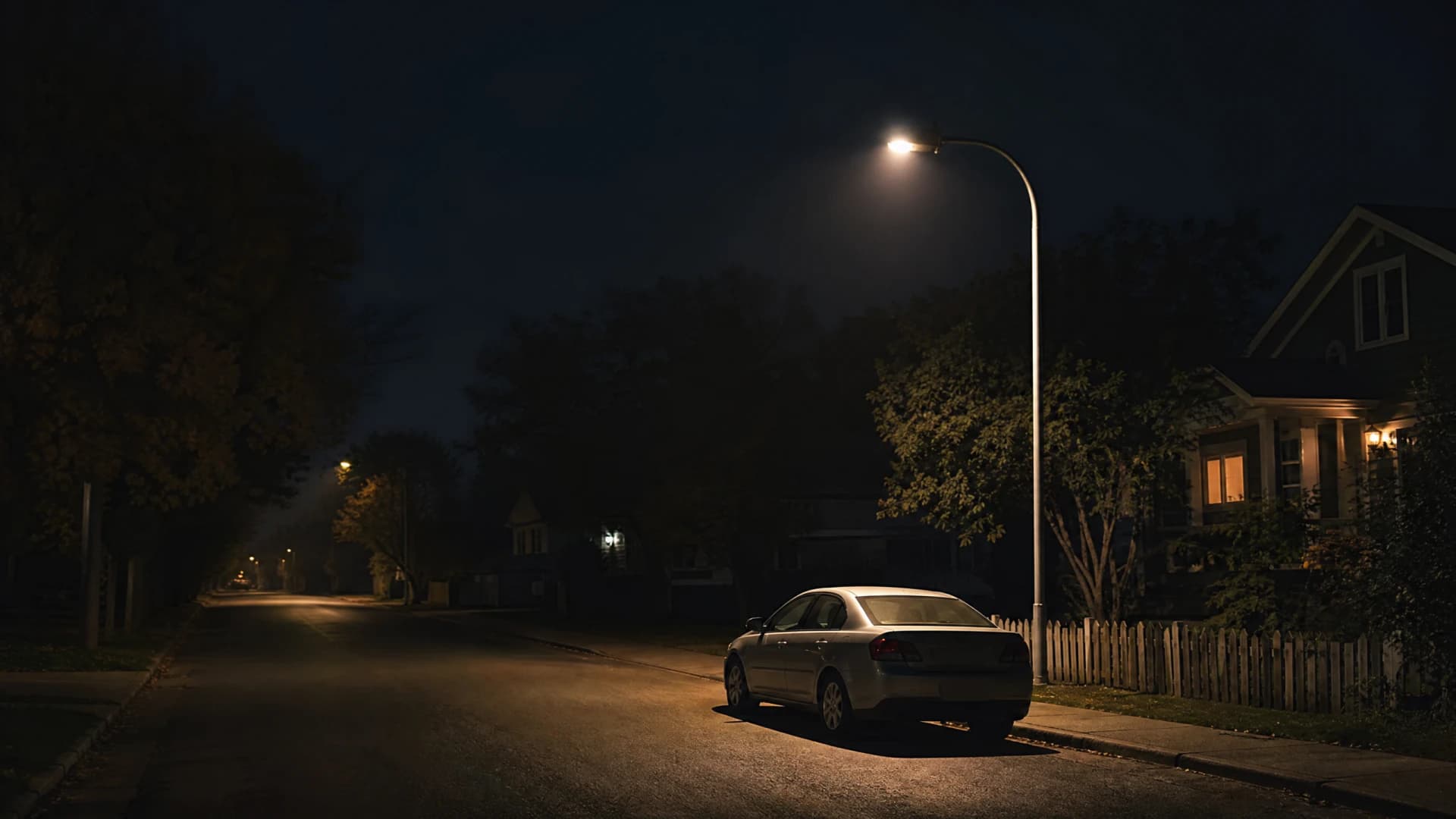
Standard personal SR-22 excludes delivery use the moment you accept a gig request — your filing remains active but your coverage does not apply to the claim.


Documentation Requirements for Hybrid SR-22 Applications
Carriers writing hybrid SR-22 policies require proof of platform enrollment, vehicle year and condition, and disclosure of average weekly delivery hours. Expect to provide your gig platform activation email, proof of platform insurance (most platforms provide $1M excess liability while you carry goods), and screenshots showing your driver status as active. Undisclosed platform activity discovered later triggers retroactive policy cancellation and SR-22 lapse notification to Missouri DOR.
The delivery endorsement application asks whether you own the vehicle, lease it, or drive a vehicle owned by someone else. If you drive someone else's vehicle for delivery work, that owner's policy must carry the delivery endorsement — your SR-22 filing cannot attach to a vehicle you do not own unless you purchase a non-owner SR-22 policy, which excludes vehicle damage coverage entirely.
Timeline: hybrid SR-22 quotes take 24–48 hours to underwrite because carriers manually review gig platform documentation. Once approved, SR-22 filing transmits to Missouri DOR within 1–3 business days electronically. Your eligibility for Limited Driving Privilege depends on SR-22 filing confirmation appearing in the DOR system — the court petition cannot proceed until that filing shows active.
1–3 business days
Missouri SR-22 Filing Window
Authorized insurers transmit SR-22 certificates to Missouri Department of Revenue electronically within 1–3 business days after policy binding. Paper filings are no longer accepted. The DOR updates your license record within 24 hours of receiving the electronic filing, triggering reinstatement eligibility if all other conditions are met.
Missouri DOR Driver License Bureau electronic filing procedures

The Cost Structure of Staying Compliant for Two Years
Missouri's 2-year SR-22 requirement means delivery drivers pay hybrid premiums for 24 consecutive months with zero lapse tolerance. A single missed payment triggers automatic SR-22 cancellation notice to the DOR, which suspends your license immediately and restarts your 2-year clock from zero. The cumulative cost: $2,640–$4,440 over 24 months at the $110–$185 monthly rate, compared to $5,280–$8,160 for full commercial SR-22 coverage.
Rate increases at renewal depend on whether you accumulate additional violations during the filing period. Delivery drivers average 18,000–24,000 annual miles compared to 12,000 for standard drivers — higher exposure increases claim probability and pushes renewal premiums up 8–12% annually even with clean records. A second moving violation during SR-22 filing moves you into tier-3 pricing at $185–$240 monthly.
Compare Hybrid SR-22 Carriers Before You Bind
Request quotes from at least three carriers writing hybrid SR-22 in Missouri: Progressive for online convenience and competitive base rates, National General or Bristol West through an independent agent for drivers with multiple violations, and The General as fallback if the first two decline. Provide identical disclosure to all three — platform names, weekly hours, vehicle year — so premium comparisons reflect true rate differences rather than coverage gaps.
The quote you accept determines your SR-22 filing carrier for the next 24 months. Switching carriers mid-filing requires the new carrier to file SR-22 before the old carrier cancels, creating a 3–5 day coordination window where lapse risk is highest. Choosing the right carrier now avoids forced mid-term switches that cost you reinstatement progress.
Which Missouri Carriers Write Hybrid SR-22 for Delivery Drivers
Progressive writes hybrid SR-22 with delivery endorsement statewide through both direct and independent agents. Quote online at progressive.com or through an agent — the delivery endorsement appears during the quote flow when you disclose gig platform use. Monthly premiums run $125–$175 for drivers with one DWI and clean records otherwise. Progressive requires disclosure of all platforms you drive for and will not quote drivers operating for more than two platforms simultaneously.
National General and Bristol West both write delivery SR-22 through independent agents only — no direct online quotes. Both carriers accept DoorDash, Uber Eats, Grubhub, and Amazon Flex drivers. Monthly premiums range $110–$160 depending on violation severity and county. Geico writes SR-22 and rideshare endorsements but excludes food/package delivery from hybrid coverage — you need full commercial through Geico Commercial if your platform mix includes delivery. The General writes SR-22 for delivery drivers but prices 15–20% higher than Progressive or National General for equivalent coverage.
Get Your Free Quote
Get My Missouri SR-22 Auto Insurance QuoteFrequently Asked Questions
Can I use a non-owner SR-22 policy while driving for DoorDash or Uber Eats?
No. Non-owner SR-22 policies exclude coverage while operating any vehicle for hire, including food and package delivery. Non-owner policies satisfy Missouri's SR-22 filing requirement but provide zero liability coverage during delivery activity. You need a hybrid policy with delivery endorsement attached to the vehicle you drive for gig work.
What happens if I get into an accident while delivering with only a personal SR-22 policy?
Your personal SR-22 policy denies the claim because delivery use violates the personal-use-only policy terms. You remain personally liable for all damages, your SR-22 filing stays active but provides no financial protection, and the claim denial may trigger policy cancellation. Missouri DOR suspends your license when the carrier cancels your SR-22.
Do I need to tell my insurance company every platform I drive for?
Yes. Hybrid SR-22 policies require disclosure of all gig platforms you operate on — DoorDash, Uber Eats, Grubhub, Instacart, Amazon Flex, and any others. Undisclosed platform activity discovered through claims or telematics data triggers retroactive policy cancellation, SR-22 lapse, and immediate license suspension. Most carriers limit coverage to two platforms maximum.
How much does the delivery endorsement add to my SR-22 premium in Missouri?
Delivery endorsements cost $25–$45 monthly on top of your base SR-22 premium. A standard SR-22 policy runs $85–$140 monthly; adding the delivery endorsement brings total cost to $110–$185 monthly. The endorsement cost varies by carrier, platform type, and your weekly delivery hours.
Will my gig platform's insurance cover me if my personal SR-22 policy excludes delivery?
Platform excess liability policies activate only after your personal policy pays its limits — if your personal policy excludes delivery and denies the claim, the platform's excess coverage does not apply. You need primary liability coverage that explicitly includes delivery activity. Platform insurance is secondary coverage, not a replacement for compliant personal insurance.
Can I switch from full commercial SR-22 to a cheaper hybrid policy mid-filing?
Yes, but coordination is critical. The new hybrid carrier must file SR-22 electronically with Missouri DOR before your commercial carrier cancels, creating a seamless handoff with zero lapse days. Any gap triggers suspension and restarts your 2-year requirement. Work with an independent agent to coordinate the switch and verify filing confirmation before canceling the old policy.
What if I stop doing delivery work during my SR-22 filing period?
Contact your carrier immediately to remove the delivery endorsement and reduce your premium to standard SR-22 rates. The SR-22 filing itself continues uninterrupted — only the endorsement drops. Switching from hybrid to standard SR-22 typically saves $25–$45 monthly. Do not simply stop delivering without notifying your carrier, as undisclosed status changes can trigger underwriting reviews.