
Non-Owner SR-22 for Borrowed Cars — Missouri
Free to compare
The Non-Owner SR-22 Filing Confusion
You lost your license after a DUI or driving uninsured, sold your car or never owned one, and now Missouri's Department of Revenue tells you that you need SR-22 insurance to get your license back. You found a non-owner SR-22 policy for $40–$70/month and filed it. The confusion hits when you realize you still need to drive — borrowing a friend's car to get to work, renting a vehicle for a family trip — and you're not certain what your non-owner policy actually covers when you're behind the wheel of someone else's vehicle.
The structural reality: Missouri accepts non-owner SR-22 filings to satisfy reinstatement requirements under RSMo Chapter 302, but the coverage itself operates as secondary insurance when you drive a borrowed vehicle. The owner's policy pays first. Your non-owner policy only responds after the owner's limits are exhausted or if the owner has no coverage at all. Most suspended drivers discover this gap only after an accident, when the owner's carrier denies the claim and their non-owner policy points to the secondary-coverage clause buried in the declarations page.
“The owner's policy pays first when you borrow a car — your non-owner SR-22 only kicks in after their limits run out.”
See What an SR-22 Really Costs in Missouri
Get My Missouri SR-22 Auto Insurance Quote$25,000/$50,000/$25,000
Missouri Minimum Liability Limits
Missouri law requires bodily injury coverage of at least $25,000 per person and $50,000 per accident, plus $25,000 property damage. Non-owner SR-22 policies meet these statutory minimums but provide no collision or comprehensive coverage for the borrowed vehicle itself.
RSMo § 303.190
What Non-Owner SR-22 Actually Does in Missouri
A non-owner SR-22 policy accomplishes two distinct things, and suspended drivers often conflate them. First, it satisfies Missouri Department of Revenue's proof-of-financial-responsibility requirement. The insurer files the SR-22 certificate electronically with the DOR, showing continuous liability coverage for the entire period your suspension order mandates — typically 2 years for DWI or uninsured-driving triggers. Without that active filing on record, the DOR will not process your reinstatement application, even if you pay the $20 base reinstatement fee or the $45 alcohol-related revocation fee.
Second, the policy provides liability coverage when you drive a vehicle you do not own and do not have regular access to. This includes borrowed cars, occasional rentals, and short-term use of a family member's vehicle. The coverage is real — it pays bodily injury and property damage claims you cause while driving. The catch is the order of payment. Missouri operates as a fault state, meaning the at-fault driver's insurance pays. When you borrow a car and cause an accident, the vehicle owner's policy is primary. Your non-owner policy sits behind it as excess coverage.
If the accident results in $80,000 in bodily injury claims and the owner's policy carries Missouri's minimum $50,000 per-accident limit, the owner's carrier pays the first $50,000. Your non-owner policy would then cover the remaining $30,000, up to your own policy's per-accident limit. If the owner has no insurance at all, or if their policy excludes you as a driver, your non-owner policy moves to primary position and pays from dollar one. That scenario is rare but not impossible — many personal auto policies exclude drivers with recent DUI convictions or suspended licenses, even if the owner gave you permission to drive.
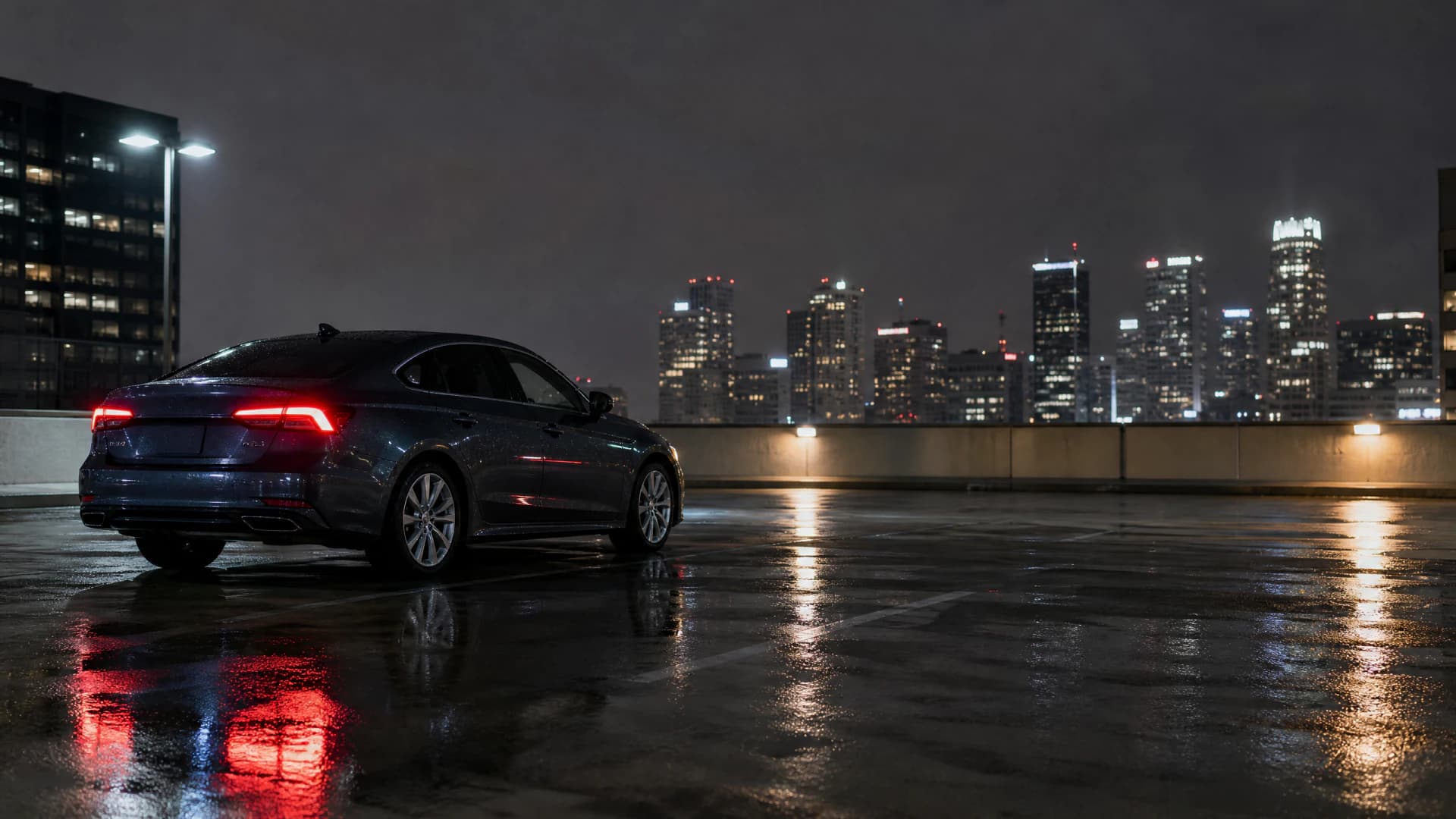
The owner's auto policy pays first when you borrow a vehicle. Your non-owner SR-22 only responds after their limits are exhausted or if they have no coverage.


How Missouri's SR-22 Filing Requirement Intersects Non-Owner Policies
Missouri suspended drivers subject to SR-22 requirements must maintain continuous coverage for the period specified in the suspension order — typically 2 years from the reinstatement date for DUI-related suspensions, per RSMo § 303.025. The SR-22 certificate is an electronic filing between the insurer and the Missouri DOR. If your policy lapses for any reason — non-payment, cancellation, voluntary termination — the insurer notifies the DOR within 10 days. The DOR immediately re-suspends your license, and you start the 2-year clock over from zero.
Non-owner policies are month-to-month contracts with no vehicle tied to the coverage, which makes them cheaper than standard auto policies but also more vulnerable to administrative lapses. Miss a $55 monthly payment and the insurer cancels the policy 10 days later. The SR-22 filing terminates the same day. You will not receive a grace period. Missouri's electronic insurance verification system flags the lapse instantly, and the DOR mails a suspension notice to your last address on file. If you moved and did not update your address with the DOR, you will not know your license is re-suspended until you're pulled over.
Dairyland, The General, and Progressive all write non-owner SR-22 policies in Missouri and report lapses to the DOR automatically. GAINSCO and Bristol West also operate in the state's non-standard market and offer non-owner products for drivers with DUI or suspension histories. State Farm writes non-owner policies but typically declines applicants with active SR-22 requirements. GEICO and USAA write non-owner SR-22 nationally, including Missouri, and allow online quote requests. Rates for non-owner SR-22 in Missouri range from $40–$95/month depending on your age, violation history, and zip code. St. Louis and Kansas City zip codes typically price 15–25% higher than rural counties due to claim frequency.
2 years
Missouri SR-22 Filing Period
Missouri requires continuous SR-22 filing for 2 years following DUI-related or uninsured-driving suspensions. The clock starts on your reinstatement date, not your conviction date. Any lapse restarts the entire 2-year period from day one.
RSMo § 303.025
When Non-Owner SR-22 Is Not Enough
If you live with a family member who owns a car and you drive that car regularly — even twice a week for groceries or work — you should be listed as a driver on their standard auto policy, not relying on a non-owner policy. Insurance companies define regular use as access to the vehicle on a recurring basis. Most insurers require household members with valid or reinstated licenses to be listed as rated drivers. If you're excluded from the household policy by name and you drive the vehicle anyway, both your non-owner policy and the owner's policy can deny the claim under misrepresentation provisions.
Missouri courts have upheld these exclusions in multiple cases where suspended drivers living in the household were explicitly excluded by endorsement, then caused accidents while driving the household vehicle. The non-owner policy denied coverage because the driver had regular access, violating the policy's occasional-use limitation. The household policy denied coverage because the driver was a named exclusion. The at-fault driver ended up personally liable for the full judgment. If you live in the household and need to drive the car, the correct approach is to be added to the owner's policy as a high-risk rated driver, accept the premium increase, and file the SR-22 through that policy instead of a separate non-owner contract.
Next Step for Suspended Missouri Drivers
If you do not own a vehicle and need SR-22 to satisfy Missouri DOR reinstatement requirements, request non-owner SR-22 quotes from at least three carriers writing in the state. Dairyland, The General, and Progressive offer online quotes and same-day electronic filing. Compare monthly premiums, confirm the SR-22 filing fee is included in the quoted price, and verify the insurer will notify you by email and text before any lapse. Set up automatic payment from a checking account to eliminate missed-payment cancellations. Once the policy is active, the insurer files the SR-22 with Missouri DOR electronically within 24–72 hours. You can verify the filing status by calling the DOR Driver License Bureau at 573-751-4600 or checking your driver record online at dor.mo.gov. Do not attempt reinstatement until the SR-22 shows active in the state's system — the application will be rejected and you will lose the $20 or $45 reinstatement fee.
Coverage Gaps You Face When Borrowing Vehicles
When you borrow a friend's 2018 Honda Accord and slide into a guardrail on icy I-70, your non-owner policy pays nothing toward fixing the Accord. The owner's collision coverage handles that repair if they carry it. If they don't, the vehicle stays damaged and you face the social and financial consequences of wrecking someone else's property with no coverage to make them whole. Most people who lend cars assume the borrower's insurance will cover damage to the vehicle — that assumption is wrong when the borrower holds a non-owner policy.
Rental cars present a parallel problem. When you rent from Enterprise or Hertz, the rental agreement makes you responsible for damage to the vehicle. The rental company offers a collision damage waiver at $15–$30/day. If you decline it, you are self-insuring the replacement cost of the rental car. Your non-owner SR-22 policy will not pay for it. Some credit cards provide rental-car collision coverage as a cardholder benefit, but many exclude drivers with suspended licenses or SR-22 filing requirements. Read the card's coverage certificate before you rely on it — the exclusion language is specific and enforceable.
Get Your Free Quote
Get My Missouri SR-22 Auto Insurance QuoteFrequently Asked Questions
Does Missouri non-owner SR-22 cover damage to a car I borrow?
No. Non-owner SR-22 policies provide liability coverage only — they pay for injuries and property damage you cause to others, not damage to the vehicle you're driving. If you wreck a borrowed car, the owner's collision coverage pays for repairs if they carry it. If they don't, you're personally responsible for the damage.
Can I use a non-owner SR-22 policy to rent a car in Missouri?
Yes, but the non-owner policy provides only liability coverage. It does not cover damage to the rental vehicle itself. You must either purchase the rental company's collision damage waiver or rely on credit card rental coverage if your card offers it and does not exclude SR-22 filers.
What happens if my non-owner SR-22 policy lapses in Missouri?
Missouri DOR re-suspends your license immediately when the insurer reports the lapse. The 2-year SR-22 filing requirement restarts from day one. You must purchase a new policy, file a new SR-22, and pay reinstatement fees again before driving legally.
Do I need non-owner SR-22 if I live with someone who owns a car?
If you drive their car regularly — even twice a week — you should be listed as a rated driver on their standard auto policy, not rely on a non-owner policy. Insurers define regular use as recurring access, and non-owner policies exclude vehicles you have regular access to.
How much does non-owner SR-22 cost in Missouri?
Non-owner SR-22 policies in Missouri typically cost $40–$95/month depending on your age, violation history, and zip code. St. Louis and Kansas City zip codes price 15–25% higher than rural counties. The SR-22 filing fee is usually included in the quoted premium.
Which carriers write non-owner SR-22 in Missouri?
Dairyland, The General, Progressive, GAINSCO, Bristol West, GEICO, and USAA all write non-owner SR-22 policies in Missouri. State Farm writes non-owner policies but typically declines applicants with active SR-22 filing requirements.