
Same-Day SR-22 Filing — Kansas City, MO
Free to compare
When Same-Day Filing Actually Means Electronic Transmission
You call a Kansas City insurance agent at 2 PM on a Friday asking for same-day SR-22 filing because your Limited Driving Privilege hearing is Monday morning and the court requires proof of financial responsibility on file with the Missouri Department of Revenue. The agent says they can bind coverage today. You assume that means the state has your SR-22 by 5 PM. It does not.
Same-day filing in Missouri means the carrier binds your auto policy and generates the SR-22 certificate the same day you apply—but electronic transmission to the DOR happens on the carrier's filing schedule, typically within 1-3 business days. The court wants proof the SR-22 exists and will be filed, not proof the DOR has already received it. Most judges accept the carrier-issued SR-22 certificate as interim documentation while the electronic filing processes. Understanding this timing gap prevents Monday morning panic when the DOR portal shows no record yet.
“Manual underwriting for DUI cases can delay binding by 24-48 hours because underwriters verify IID installation and conviction details during business hours only.”

See What an SR-22 Really Costs in Missouri
Get My Missouri SR-22 Auto Insurance Quote1-3 business days
Missouri SR-22 DOR Transmission
Missouri carriers file SR-22 certificates electronically with the Department of Revenue Driver License Bureau, but the transmission window runs 1-3 business days after the policy binds. The carrier issues you a certificate immediately; the state receives the filing on their schedule.
Missouri Department of Revenue SR-22 processing procedures
Why Your Violation Type Controls prompt Availability
Not all SR-22 requests move at the same speed. A Kansas City driver with a first-offense DWI who needs SR-22 for a Limited Driving Privilege petition will encounter different underwriting timelines than a driver reinstating after a 30-day insurance lapse suspension. DUI-related SR-22 requests often trigger manual underwriting review—especially if the conviction is recent, if you have prior alcohol violations, or if the court required an ignition interlock device under RSMo 302.309. Manual review can delay binding by 24-48 hours because the underwriter must verify IID installation, check conviction details, and assign the correct risk tier.
Insurance lapse suspensions and point-accumulation cases typically move faster because they do not carry the same underwriting flags. A carrier writing high-risk auto coverage in Missouri can often bind a lapse-triggered SR-22 policy within hours if you provide a clean driving abstract from the past 36 months and proof of current vehicle registration. The same carrier may require a next-business-day callback for a DWI case because the underwriting team works banker's hours and does not approve alcohol violations after 3 PM.
If your suspension stems from unpaid tickets, child support arrears, or failure to appear in court, SR-22 is not required for reinstatement—but many drivers assume it is because the suspension letter mentions financial responsibility. Verify with the Missouri DOR Driver License Bureau whether your specific suspension type requires SR-22 before paying for same-day filing. The $20 reinstatement fee does not include SR-22 unless your suspension explicitly lists it as a reinstatement condition.
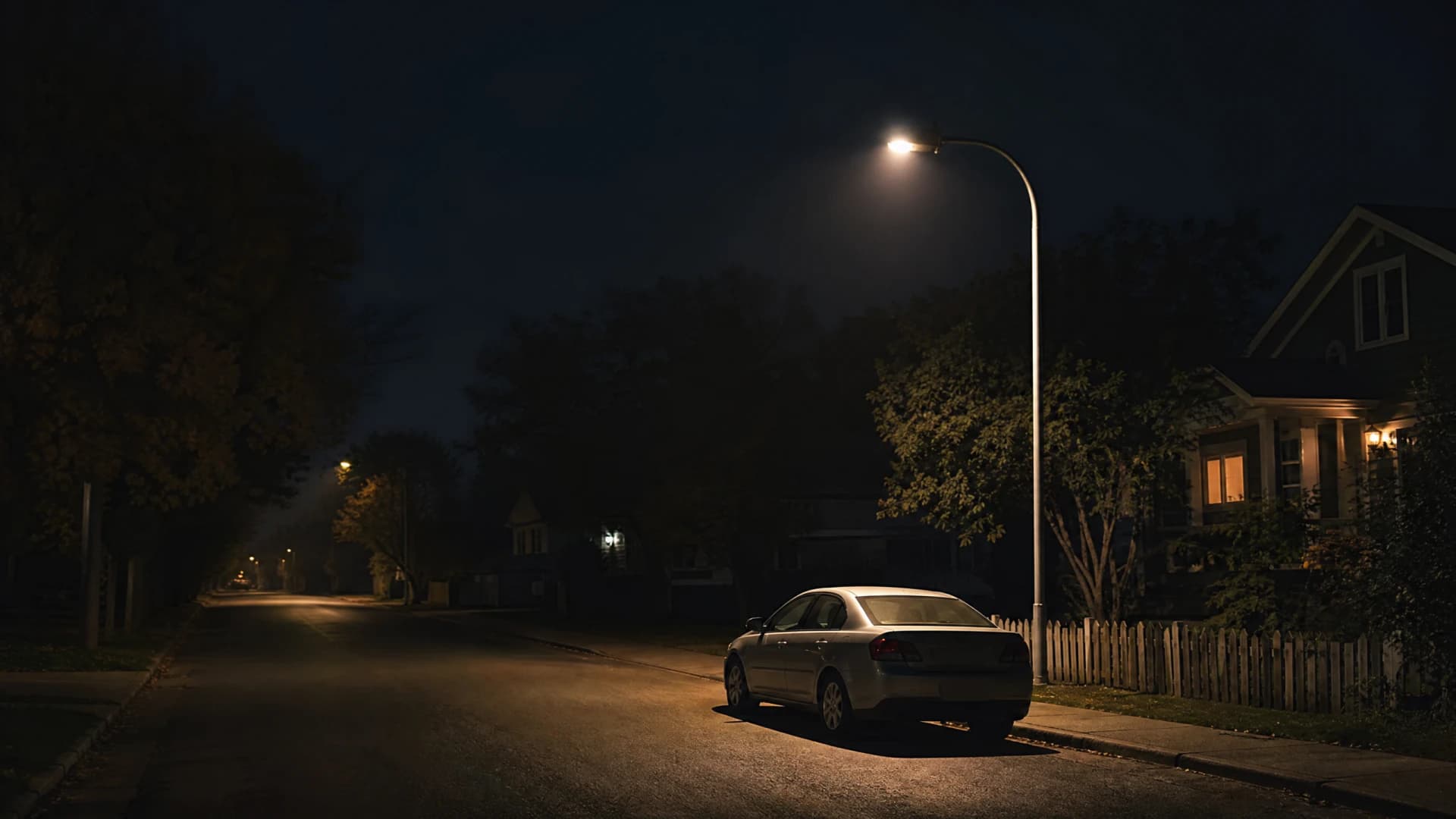
Manual underwriting for DUI-related SR-22 requests in Kansas City often extends binding time to the next business day, even when you apply before noon. Alcohol violations do not move on the same-day track unless the carrier has pre-approved underwriting authority for your risk tier.




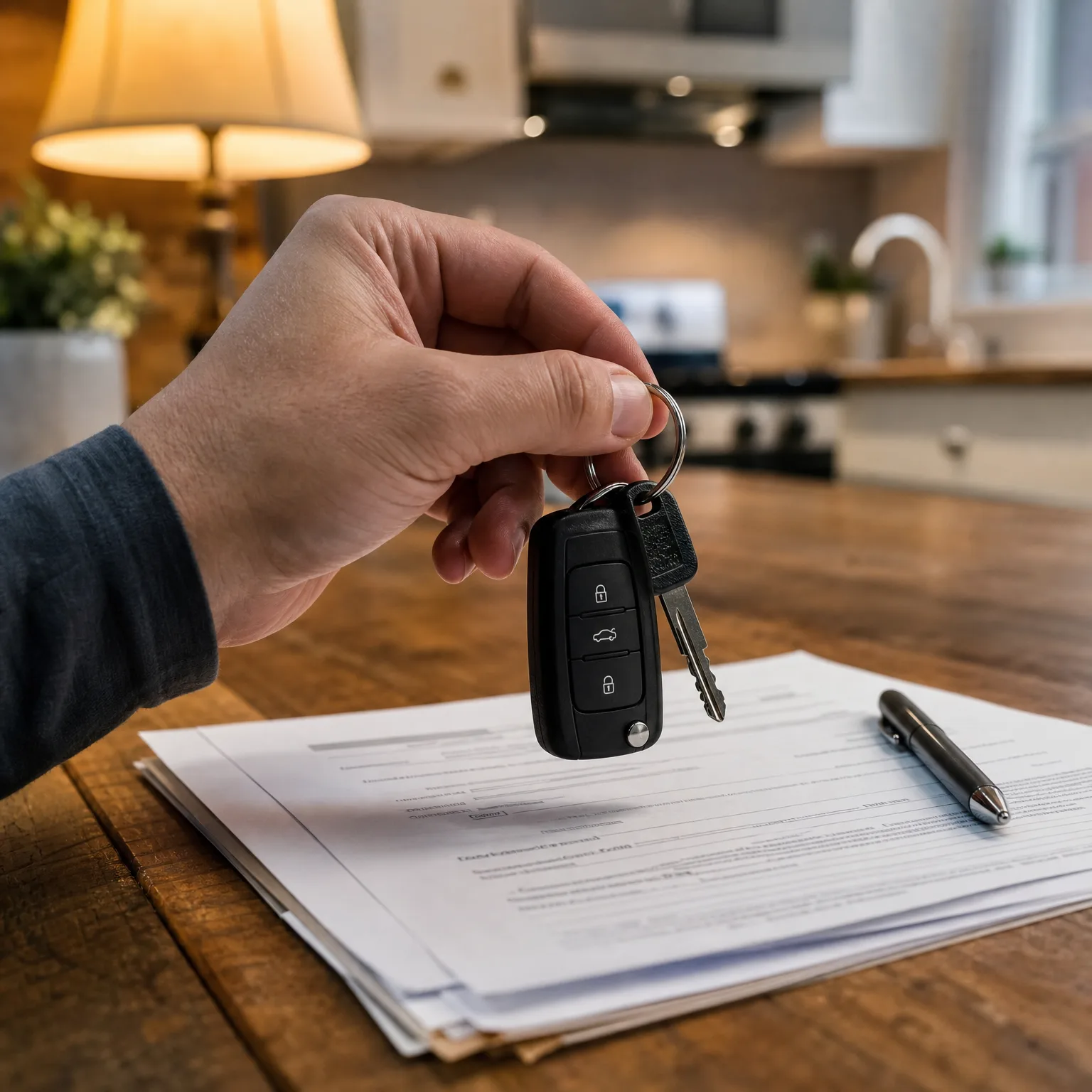


How Non-Owner SR-22 Policies Accelerate the Process
You sold your car after the DWI arrest because you could not afford insurance and car payments during the suspension. Now you need SR-22 to petition for a Limited Driving Privilege, but you do not own a vehicle to insure. Non-owner SR-22 policies exist for exactly this scenario. These policies provide liability coverage when you drive a borrowed or rented vehicle and satisfy Missouri's SR-22 filing requirement without requiring you to own a car.
Non-owner policies bind faster than standard auto policies because the underwriter does not need to inspect a vehicle, verify VIN details, or calculate collision and comprehensive premiums. The application asks for your driver's license number, conviction details, and the required liability limits—Missouri minimums are $25,000 per person, $50,000 per accident for bodily injury, and $25,000 for property damage. The carrier issues the SR-22 certificate as soon as the first premium payment clears, typically within 2-4 hours for electronic payment methods.
Geico, Progressive, Dairyland, The General, GAINSCO, and USAA all write non-owner SR-22 policies in Missouri. Monthly premiums for non-owner coverage run $40-$85 for drivers with a single DWI conviction and no prior violations. If you plan to borrow a family member's vehicle during your Limited Driving Privilege period, confirm their auto policy includes permissive-use coverage—the non-owner policy provides secondary coverage only, and gaps between the two policies can leave you uninsured during a traffic stop.
$40–$85/mo
Kansas City Non-Owner SR-22 Premium
Non-owner SR-22 policies in Missouri cost substantially less than standard auto SR-22 because they do not cover a specific vehicle. Drivers with a single DWI and no prior alcohol violations typically pay $40-$85 per month for state-minimum liability limits. Adding uninsured motorist coverage raises the premium $15-$25 monthly.
Carrier rate filings for Missouri non-standard auto, 2024

What to Bring When You Need Same-Day Binding
Kansas City agents who specialize in SR-22 cases keep a checklist of required documentation to avoid delays. Arrive with your Missouri driver's license or state-issued ID, even if the license is suspended. The underwriter needs your license number to verify your driving record and pull your Motor Vehicle Report from the Missouri DOR. If your license was revoked rather than suspended, bring the revocation notice or court order showing the revocation effective date—carriers price DWI revocations differently than point-suspension cases.
Bring proof of your conviction details: the court case number, conviction date, and offense code from your municipal or circuit court paperwork. If your suspension stems from a DWI, bring the ignition interlock installation verification if the court required IID under RSMo 302.309. Carriers will not bind SR-22 for an IID-mandated case until the device is installed and the installer has filed proof with the Missouri State Highway Patrol. If you completed a Substance Awareness Traffic Offender Program (SATOP) as part of your reinstatement requirements, bring the completion certificate—it does not reduce your premium, but it confirms you have cleared a reinstatement barrier and may speed underwriting approval.
If you are applying for non-owner SR-22, the carrier does not need vehicle information, but they will ask whether you have regular access to a vehicle you do not own. Answer honestly. If you plan to drive a family member's car during your Limited Driving Privilege period, the underwriter needs to know because Missouri law requires the vehicle owner's policy to list you as a driver. Misrepresenting vehicle access can void the SR-22 certificate and trigger a new suspension when the DOR discovers the discrepancy during a traffic stop.
Compare Kansas City SR-22 Rates Before You Bind
Same-day filing pressure often leads drivers to accept the first quote they receive. Premiums for identical coverage vary $60-$140 per month between Kansas City carriers writing the same risk profile. A driver with a single DWI, no prior violations, and a clean record before the conviction might pay $110 per month with Dairyland, $145 with Bristol West, or $180 with The General for state-minimum SR-22 coverage. The SR-22 filing fee—typically $15-$25—is uniform across carriers because Missouri does not regulate it, but the underlying auto premium swings based on each carrier's risk model.
Request quotes from at least three carriers before binding. Most Kansas City agents writing high-risk auto represent multiple carriers and can run comparative quotes in under 20 minutes. If you are applying Friday afternoon and need proof for a Monday court appearance, accept that you may not have time to shop exhaustively—but even a quick three-carrier comparison can save $400-$800 annually. Once the SR-22 is filed and active, you can switch carriers mid-policy term without disrupting your filing as long as the new carrier files a replacement SR-22 before the old policy cancels. Missouri requires continuous SR-22 coverage for the full two-year filing period following DWI-related suspensions; any lapse triggers a new suspension and restarts the two-year clock.
Which Kansas City Carriers Bind SR-22 the Fastest
Carriers writing non-standard auto—Bristol West, Dairyland, GAINSCO, The General, Progressive, and National General—maintain dedicated high-risk underwriting teams that process SR-22 requests as routine business. These carriers can often bind coverage within 2-4 hours for straightforward cases: first-offense DWI with no prior alcohol violations, insurance lapse suspensions under 90 days, or point-accumulation cases where the driver holds a valid Missouri license. Binding speed slows when the application shows multiple violations, out-of-state convictions that require manual verification, or gaps in coverage history longer than six months. The underwriter must verify each violation's disposition and confirm no outstanding warrants or unpaid reinstatement fees block the filing.
Preferred-tier carriers—State Farm, USAA—write SR-22 policies but reserve them for drivers who meet stricter underwriting criteria: clean record for 36 months prior to the current violation, stable employment, homeownership, or military service. These carriers rarely offer same-day binding for SR-22 cases because the underwriting review requires supervisor approval. If you qualify for preferred rates, expect a 24-48 hour binding window. If your violation falls outside their risk appetite, they decline the application outright and you move to a non-standard carrier anyway. Start with carriers that specialize in high-risk cases rather than hoping a preferred carrier makes an exception under time pressure.
Get Your Free Quote
Get My Missouri SR-22 Auto Insurance QuoteFrequently Asked Questions
Can I get SR-22 insurance the same day in Kansas City?
Yes, but same-day binding depends on your violation type and the time you apply. Non-standard carriers like Dairyland, Progressive, and GAINSCO can bind straightforward SR-22 cases—first-offense DWI, insurance lapse, or points—within 2-4 hours if you apply before 3 PM on a business day. DUI cases requiring ignition interlock or involving multiple violations often require next-business-day approval because underwriters work standard hours and manual review extends the timeline.
How long does it take for Missouri DOR to receive my SR-22 filing?
Missouri carriers transmit SR-22 certificates electronically to the Department of Revenue within 1-3 business days after your policy binds. The carrier issues you a certificate immediately, but the state's system updates on the carrier's filing schedule. Most courts accept the carrier-issued SR-22 certificate as interim proof while the electronic filing processes, so you can present documentation at a Limited Driving Privilege hearing before the DOR shows the filing in their system.
Do I need SR-22 if my license was suspended for unpaid tickets in Missouri?
No. Unpaid ticket suspensions, child support arrears, and failure-to-appear suspensions do not require SR-22 for reinstatement in Missouri. SR-22 is required for DWI convictions, uninsured driving violations, uninsured accidents, and certain point-accumulation cases. Verify your specific reinstatement requirements with the Missouri DOR Driver License Bureau before purchasing SR-22 coverage—the $20 reinstatement fee does not include SR-22 unless your suspension letter explicitly lists it as a condition.
Can I switch SR-22 insurance carriers after I file?
Yes, you can switch carriers mid-policy term without disrupting your SR-22 filing as long as the new carrier files a replacement SR-22 with the Missouri DOR before your old policy cancels. Any gap in SR-22 coverage triggers a new suspension and restarts the two-year filing period. Request the new carrier to file the SR-22 at least five business days before your current policy's cancellation date to ensure continuous coverage and avoid DOR suspension notices.
What is a non-owner SR-22 policy and who needs one?
A non-owner SR-22 policy provides liability coverage when you drive a borrowed or rented vehicle and satisfies Missouri's SR-22 filing requirement without requiring you to own a car. Drivers who sold their vehicle during suspension, rely on public transit, or borrow family vehicles need non-owner SR-22 to reinstate their license or petition for a Limited Driving Privilege. Monthly premiums run $40-$85 for drivers with a single DWI and no prior violations—substantially less than standard auto SR-22 because the policy does not cover a specific vehicle.
How much does SR-22 insurance cost in Kansas City after a DWI?
Kansas City drivers with a single DWI conviction and no prior violations typically pay $110-$180 per month for state-minimum SR-22 auto coverage, plus a one-time $15-$25 SR-22 filing fee. Non-owner SR-22 policies cost $40-$85 per month because they do not cover a specific vehicle. Premiums vary $60-$140 monthly between carriers writing the same risk profile, so compare quotes from Dairyland, Progressive, Bristol West, and GAINSCO before binding. Rates drop significantly after 36 months of clean driving post-conviction.